When you click on links to various merchants on this site and make a purchase, this can result in this site earning a commission. Affiliate programs and affiliations include, but are not limited to, the eBay Partner Network.
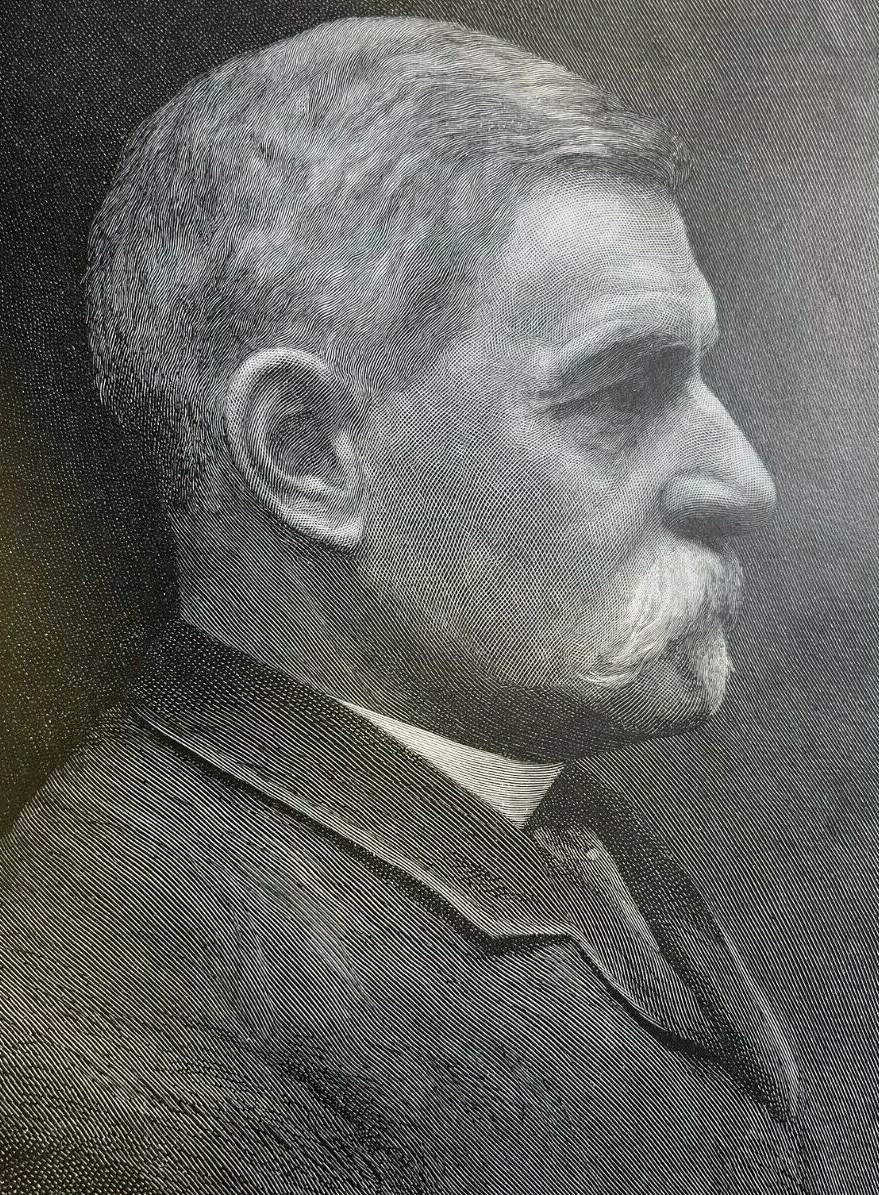
1885 Antique Magazine Illustration – Vintage Print – Historical Artwork
Step back in time with thisauthentic 1885 vintage magazine illustration, carefully preserved from a historic publication. Thisoriginal antique printfeatures exquisite detail and craftsmanship, making it an ideal addition for collectors, history buffs, and art lovers alike.
Item Details:
Date:1885
Original vintage illustration(single page)
Page size:Approx. 6” x 9”
Condition:Well-preserved for its age, with expected age toning, light browning, and minor corner wear.
Perfect For:
Vintage ephemera & paper collectors
Framing & home decor– add antique charm to any space
Scrapbooking & journaling– unique historical piece
Genealogy & historical research
SKU # 34128
A genuine piece of history, ready for display or creative projects. Ships with care and protection.
Ulysses S. Grant captured the essence of General George McClellan when he said, “McClellan to me is one of the mysteries of the war.” If only he’d been more decisive, more eager to fight, and less worried about the size of the forces opposing him. If only he enjoyed a better relationship with Abraham Lincoln.
There were so many what ifs, so many could have beens, and should have beens.
We’ll never know what McClellan could have accomplished. Instead, we know where he went wrong
Lincoln appointed George McClellan general-in-chief of the Union Army in November 1861. After five months of inaction, he removed McClellan as general-in-chief on March 11th but left him in command of the Army of the Potomac.
Six days later McClellan began his Peninsular campaign setting in motion the largest-ever American expeditionary force. After a series of battles, McClellan came within four miles of reaching Richmond. Then things began to unravel.
Joseph Johnston attacked McClellan’s army at Seven Pines and Fair Oaks when the Union army was fractured by flooding on the Chickahominy River. Shortly after that, Johnston got injured in the fighting, and Robert E. Lee took command of the Army of Northern Virginia.
That was a game-changer.
Lee threw his forces at McClellan in a series of battles that became known as the Seven Day’s Battles. McClellan’s phobia of being out manned got the better of him. He imagined he was up against 200,000 men, over twice as many as the 85,000 troops Lee had. When he was convinced that he could not take Richmond, McClellan withdrew his troops to a safer position.
Meanwhile, while McClellan dawdled in the Peninsula, Lee thrashed General John Pope at the Second Battle of Bull Run. After that, Lincoln put McClellan in charge of the fortifications and troops surrounding Washington. In doing so, he harbored many doubts. “To entrust to him the rescue of the army from its demoralization was a good deal, like curing the bite with the hair of the dog,” said Lincoln.
Two months later, McClellan battled Robert E. Lee at South Mountain and Antietam—then decided his army was too weak to chase down Lee’s beaten army. Abraham Lincoln grew incensed, calling the Army of the Potomac “McClellan’s bodyguard.” When McClellan repeatedly refused to give battle, Lincoln replaced him with Ambrose Burnside.
That opened the door for Burnside’s defeat at Fredericksburg.