When you click on links to various merchants on this site and make a purchase, this can result in this site earning a commission. Affiliate programs and affiliations include, but are not limited to, the eBay Partner Network.
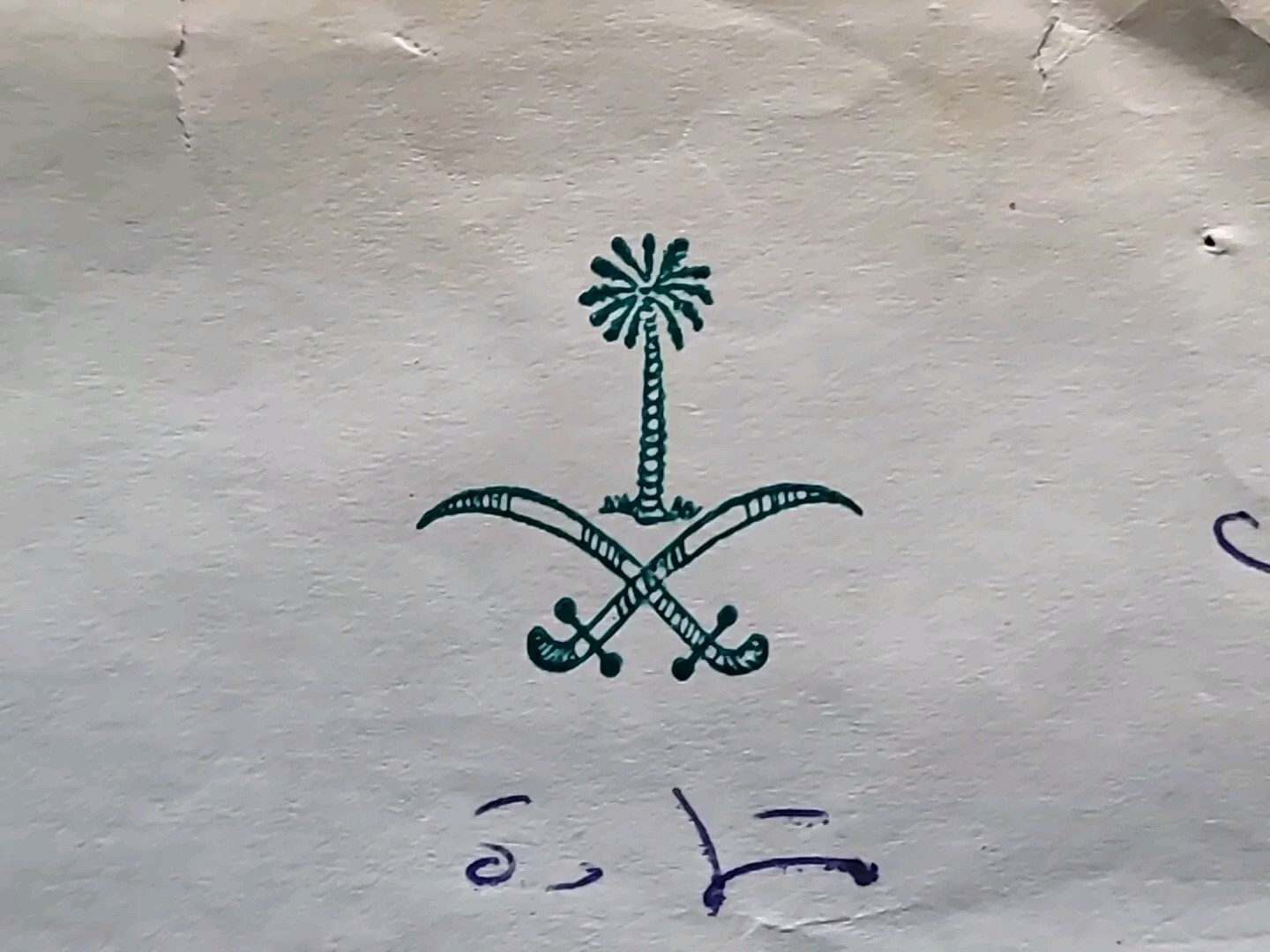
For your consideration is a rare and highly significant original Saudi Arabian legal manuscript, measuring approximately 5.5 x 8.0 inches, preserved in exceptional, museum-quality condition. This one-of-a-kind document originates from the Kingdom of Saudi Arabia and is marked with the official green emblem of the statefeaturing the iconic palm tree and crossed swordsindicating its formal government issuance. Fully handwritten in formal Arabic script, the document offers a vivid primary source record of Saudi judicial administration during the mid-1980s and serves as a compelling artifact of regional legal history.
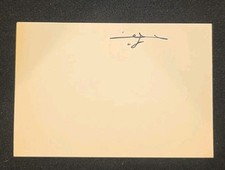
The manuscript records the official confession of a Sudanese national named Said bin Said Al-Saeed Al-Saqr, who was apprehended on the 3rd of Jumada al-Awwal 1405 AH (January 24, 1985 CE). Under formal interrogation, the accused admitted to unlawfully entering a commercial shop in the district of Al-Awwamiyah, located in the Qatif region of eastern Saudi Arabia. He confessed to accessing the premises through a rear entrance and using a tool to break into a safe, from which he stole the sum of 450 Saudi Riyals. This confession was formally documented and signed on the 17th of Jumada al-Awwal 1405 AH (February 7, 1985 CE), and the case was submitted to the appropriate judicial authorities for prosecution.
Issued during the reign of King Fahd bin Abdulaziz Al Saud, the fifth monarch of the Kingdom of Saudi Arabia (r. 19822005), this document reflects the Kingdoms structured and centralized approach to criminal justice. King Fahds rule was marked by modernization of state institutions and the reinforcement of internal legal procedures, and this manuscript exemplifies the standardized documentation practices used to process confessions and penal matters under his administration. The documents language is clear and authoritative, adhering to formal legal standards under the framework of Shariah law and Saudi judicial protocols.
This authentic and irreplaceable document provides a rare window into the legal and administrative systems of the Kingdom of Saudi Arabia during a formative period in its modern history. Its exceptional preservation, authoritative provenance, and detailed content make it a museum-quality artifact suitable for advanced collections in Islamic legal history, Middle Eastern governance, or twentieth-century administrative documents. Such materials seldom appear on the public market, as most remain in state archivesmaking this a truly rare and valuable acquisition for collectors and scholars alike.