

|
Site Categories |
|
Featured Items |

Poodle, Spaghetti Trim, Ucagco


|
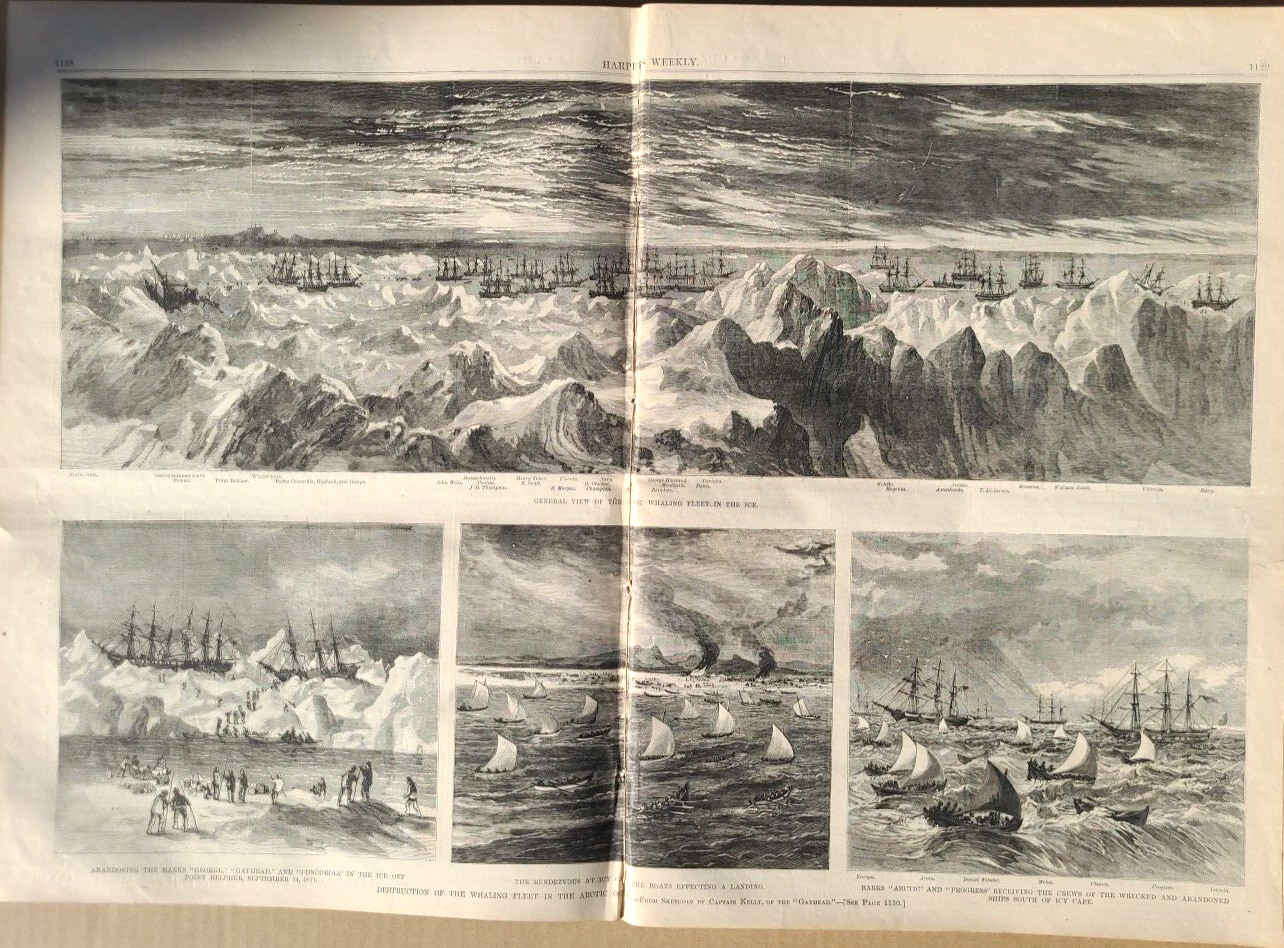
Harper\'s Weekly 12/2/1871 Destruction of Whaling Fleet Alaska For Sale

When you click on links to various merchants on this site and make a purchase, this can result in this site earning a commission. Affiliate programs and affiliations include, but are not limited to, the eBay Partner Network.

Harper\'s Weekly 12/2/1871 Destruction of Whaling Fleet Alaska:
$29.99
Harper\'s Weekly Original and Complete Cover: The Tammany Tiger Strung Up Centerfold:Destruction of the Whaling Fleet in the Arctic Ocean - The Rendezvous at the Ccy Cape-The Boats Effecting a Landing / General View of the Arctic Whaling Fleet in the Ice Full Page: Our Thanksgiving Bird Full Page: The Forest Fire in the West includes the supplement Condition: good, normal aging (see pictures) The Destruction of the Whaling Fleet in the Arctic Ocean in 1871 was a devastating incident that impacted the American whaling industry. This event, also known as the Great Whaling Disaster of 1871, involved the entrapment and subsequent destruction of 33 whaling ships in the ice off the northern coast of Alaska near Point Belcher and Icy Cape. Here’s a breakdown of the event: Circumstances Leading to the Disaster:
During the summer of 1871, American whaling ships were hunting bowhead whales in the Arctic, a common practice at the time as whale oil was highly valuable for lighting and lubrication. However, an unusually early formation of sea ice trapped the ships in the narrow passage between Alaska and Siberia. The ice closed in quickly and blocked their route to open water, preventing any escape. Efforts to Free the Ships:
The captains initially tried to wait out the ice, hoping it would recede. When it became clear that the ice would not release its grip, efforts to break free proved futile, as the ice was thick and unyielding. The ships were at risk of being crushed by the pressure of the ice floes. Abandonment of the Fleet:
As conditions worsened, more than 1,200 sailors, captains, and their families (who sometimes traveled with them) abandoned the ships. They fled southward in small whaleboats, undertaking a dangerous journey through the ice-covered waters. Fortunately, nearby ships that had managed to avoid entrapment were able to rescue all the stranded people, with no lives lost. Aftermath and Impact on the Whaling Industry:
The abandoned ships were eventually crushed by the ice or drifted away, destroyed by the pressure and cold. This disaster was a significant economic blow to the American whaling industry. The financial losses were immense, as the ships, equipment, and stores of oil left on board were unrecoverable. The event contributed to the gradual decline of the whaling industry, which was already under pressure from the advent of petroleum as a more efficient source of fuel. Legacy:
In recent years, some of these shipwrecks have been found along the coast of Alaska, well-preserved in the cold waters. These finds provide a glimpse into the life of 19th-century whalers and have become a subject of interest for archaeologists and historians studying the era of American whaling.
The 1871 disaster serves as a reminder of the dangers of Arctic whaling and the power of nature over human endeavors. 4o
|
|
Related Items:
ORIGINAL Harper’s Weekly May 6, 1865 President Lincoln Funeral Piece Of History $270.00
1863 Harper’s Weekly AUTHENTIC January 17 Issue – COMPLETE- Civil War Gettysburg $150.00
HARPER'S WEEKLY Feb 24, 1866 Lincoln Entering Richmond Civil War Civil Rights $315.00
|
|
|
Shopping Cart  |

|
Recently Viewed |
|
Latest Items |
|
Facebook |
Secure Websites

|
