

|
Site Categories |
|
Featured Items |

Poodle, Spaghetti Trim, Ucagco


|
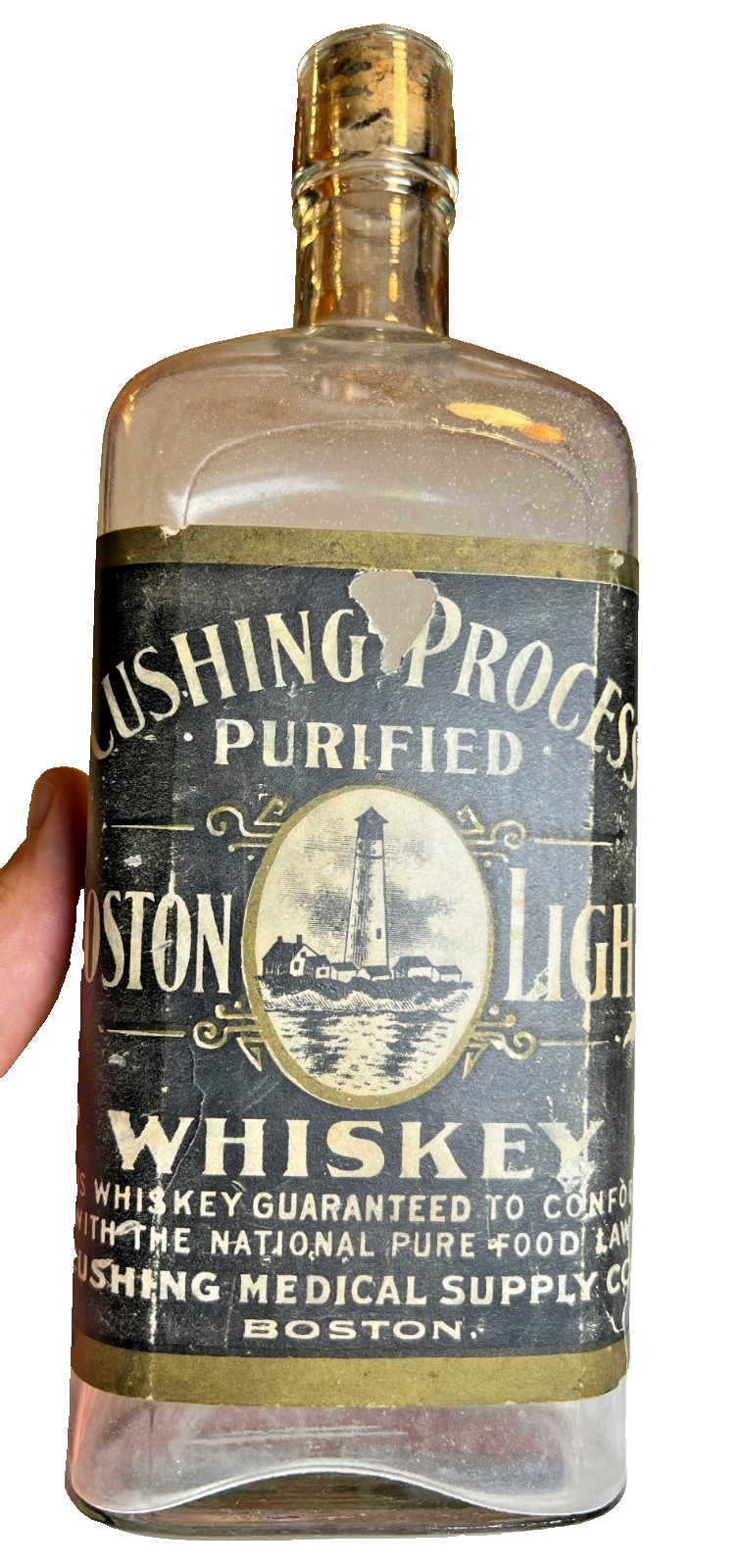
Antique 1906 Boston Light Whiskey Bottle LABEL Cushing Pre Prohibition BOSTON MA For Sale

When you click on links to various merchants on this site and make a purchase, this can result in this site earning a commission. Affiliate programs and affiliations include, but are not limited to, the eBay Partner Network.

Antique 1906 Boston Light Whiskey Bottle LABEL Cushing Pre Prohibition BOSTON MA:
$330.55
c1906-1911 Boston Light Medicinal Whiskey Bottle – Cushing Process Purified – Cushing Medical Supply Co. Boston – Pre Prohibition Scarce Pre-Prohibition Boston Light Whiskey Bottle with Original Label This is an attractive machine-made clear glass square fifth whiskey bottle with its original black and gold paper label: Front label: “Cushing Process Purified Boston Light Whiskey” with a striking lighthouse vignette Heel: Marked for Cushing Medical Supply Co., Boston Height: approx. 8.75 tall (aka a Pint) Age: ca. 1906–1911 (label cites compliance with the National Pure Food Law). Cushing Medical Supply Co. seems to have ceased operations around 1911 (or at least advertising tapers off after that), so likely 1906-1911. Condition: Clean bottle, no chips or cracks. Label is about 95% complete with some paper loss at top center.
Here’s what I found on Cushing Medical Supply Co., Boston, and the context of whiskey/medicinal spirits in Boston in the late 19th/early 20th century. Some of it is well documented; some is from collectors’ lore, patents, and directories. Who was Cushing Medical Supply Co. The company was run (or founded) by Dr. Ira Barrows Cushing, M.D. They used the names: Cushing Medical Supply Co., Cushing Process Co., sometimes just The Cushing Process. They marketed various whiskey brands under that umbrella: Boston Light, Cushing 100 Proof Whiskey, Cushing Highest Grade, Cushing Standard Rye, Cushing Straight, Old Colonial Rye, Yachting Rye, Gold Standard, Essex Rye, Home Brand, Old Buck, etc.
What was the “Cushing Process” Dr. Cushing claimed to have invented a “process for purifying and maturing liquors or distilled spirits.” He got a patent in 1892 for this process. The process involved treating distilled spirits with air (mixing oxygen with atmospheric air) to oxidize fusel oils (undesirable byproducts of distillation) into “avoring-acids” (I believe flavoring acids) — essentially a method to speed up maturation or to clean up off-flavors. There is little evidence that any major distillery outside Cushing’s own bottling used this method, so it seems the claim was primarily a marketing tool as well as technical experiment.
Operating Period, Location & Business Details The company appears in business directories from 1882 to about 1911. Addresses at various times: 95 Summer St., 580 Washington St., 160-166 Canal Street, Boston. Their products were not just pure whiskey or straight whiskey; they had multiple grades, rye and bourbon styles, and used branding that emphasized purity (“Process”, “Highest Grade”, etc.).
Regulatory & Social Context The Pure Food and Drug Act (1906) was a turning point: it required that food, medicinal, and drink products that crossed state lines be truthfully labeled and not adulterated. Around this time, many medicinal “whiskeys” were sold with claims of healing or tonic properties. Cushing’s “purified” whiskey fits into that period when whiskey was not simply recreational — it was also dispensed (or at least marketed) as a medicinal or restorative substance. The label about “guaranteed to conform with the National Pure Food Law” (or similar wording) is an indication that the company was using federal regulation compliance as a marketing certificate of quality. That suggests production or sales after 1906. Your bottle’s label likely reflects that regulatory moment.
Whiskey in Boston During That Time Boston was a major commercial and medical center; druggists (pharmacies) often sold medicinal liquors. People commonly used whiskey (or other strong spirits) for medicinal, restorative, or tonified uses, especially before antibiotics. The temperance movement was also growing; regulation on alcohol, patent medicines, labeling, adulteration claims, etc., got more strict. This means companies like Cushing had incentives to advertise purity, process, and “medical supply” credentials. “Medicinal liquor” remained legal through Prohibition with doctor’s prescriptions — though your bottle is pre-Prohibition. The Cushing Medical Supply company seems to have built its brand in that transitional era when whiskey served both medicinal and recreational demand but regulatory scrutiny was rising.
|
|
Related Items:
Antique 1906 Gillette Black Cardboard Razor Banks $62.00
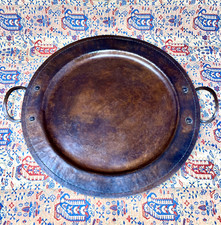
Antique Roycroft Hammered Copper Serving Tray Early Mark Arts & Crafts c1906-10 $625.00

Antique Oliver No 5 Typewriter Standard Visible Batwing Writer USA 1906? $224.98
|
|
|
Shopping Cart  |

|
Recently Viewed |
|
Latest Items |
|
Facebook |
Secure Websites

|
